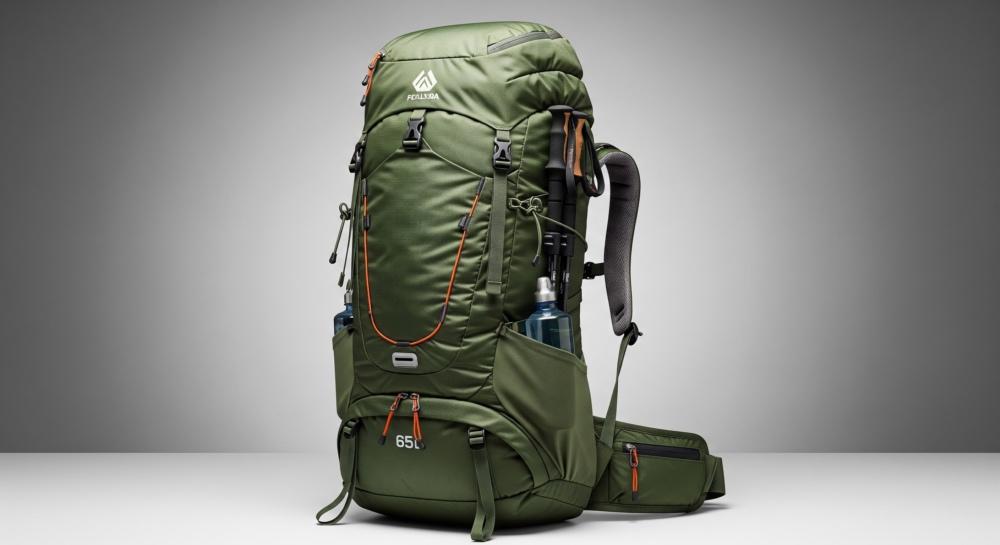
A bug-out bag, also called a go-bag or grab bag, keeps essential supplies together in case you need to leave home quickly. Its contents should help you get to safety and manage the first part of an evacuation.
You do not need to pack for every possible situation. Begin with the journey you are most likely to make and the people who will make it with you.
Never delay leaving to collect your bag. If you are escaping a fire, leave your belongings behind. The UK government's preparation guidance makes that distinction clear.
Plan the journey before packing
Decide where you could go, how you would get there and what you would do if your usual route were blocked. Plan how household members will find each other if they are apart. The American Red Cross planning guide covers routes, meeting places and arrangements for pets.
Think about what the journey demands. Travelling to a relative's home by car calls for different equipment from leaving on foot in cold weather. If you need help with transport or mobility, arrange it as part of the plan.
Write down what you expect to need at your destination and what you must bring yourself. Update the plan if those arrangements change.
Choose a bag you can manage
Try a bag you already own before buying one. Check the fit, straps and access to compartments. Protect documents and other items that need to stay dry.
Pack it, then try carrying it on a realistic walk. Adjust the load for the person carrying it. There is no useful universal weight percentage for every age, health condition or evacuation route.
If walking is part of your plan, test any wheeled bag on the surfaces you expect to encounter. Share the load according to ability, including who will carry supplies for anyone who cannot carry their own bag.
Pack water and food with their weight in mind
The American Red Cross recommends three days of evacuation supplies. Its water benchmark, about 3.8 litres per person per day, amounts to roughly 11.4 kg of water per person for three days, before containers.
That weight needs a transport plan. Pack safe drinking water you can carry and work out how you will obtain more at your destination or on the way. Do not depend on finding a suitable stream or a shop that is still open.
If you cannot move the supplies you need, identify the help or transport required before an emergency. Follow official evacuation instructions when an emergency occurs.
Choose familiar food that needs no refrigeration or cooking. Check allergies, preparation instructions and any water requirements. Remember a can opener if you pack tins. Avoid filling the bag with heavy food you are unlikely to eat.
Keep essential items easy to reach
Use the Red Cross supply checklist as a starting point:
- Prescribed medicines and essential medical items.
- A first-aid kit.
- Identification, important documents and written contact details in waterproof protection.
- Your phone, charging cable and charged power bank.
- A torch, radio and suitable spare batteries.
- A change of clothing, weather protection and footwear suitable for walking.
- Personal hygiene supplies and some cash.
Tailor the bag to your household. Check what children, pets or anyone with additional support needs will require. Keep medical information with the person who needs it, and discuss medicine quantities, temperature limits and equipment power needs with your pharmacist or care team.
Leave space for everyday items you cannot keep permanently packed. Keep a short list of them with the bag so they are easy to remember when there is time to collect them safely.
Add equipment only when the plan calls for it
Outdoor sleeping equipment belongs in a bag when your plan may require it. Choose it for the expected conditions and learn how to use it before relying on it.
Ready-to-eat food avoids the need for a stove. If your plan includes a camping stove, use it only outdoors, away from tents and enclosed spaces, and follow its instructions and local fire restrictions. Never use a portable gas stove indoors, as the CDC's carbon-monoxide guidance warns.
A filter or treatment tablets also need a specific purpose. Check what they can treat before buying them. Boiling and disinfecting cannot make fuel- or toxic-chemical-contaminated water safe. See the CDC's emergency-water guidance.
Keep the bag ready
Store it somewhere everyone can find and reach. Every six months, review the contents and try carrying it again. Check sooner after using supplies or when medicines, clothing sizes or your evacuation plan change.
Test equipment according to its instructions and replace food before it expires. A smaller bag you can carry is more useful than a packed bag you have never lifted.
Keep track with Survivalist
Create a separate cache for your go-bag so you can check its contents and expiry dates. Record your evacuation steps in a plan, including who needs help and where you intend to go. Saved plans remain available offline; keep essential contact details and routes on paper too.
Start today: pack the bag you already own, lift it and see what needs adjusting.
Sources
Guidance checked on 7 October 2026. Follow local evacuation instructions and leave promptly when told to do so.